Starting radiation therapy is a big step. And it is completely natural to have questions before your first session — or concerns after you have already begun.
Is radiation therapy painful? Will I lose my hair? How long will the side effects last?
These are the questions patients at ShardaCare HealthCity, Greater Noida, ask Dr. Anindya Mukherjee every week. This guide answers all of them — clearly, honestly, and in plain language.
The most important thing to know upfront: most radiation therapy side effects are temporary, manageable, and predictable. Your care team will work to prevent the ones they can and treat the ones that appear. You will not be facing them alone.
What Causes Radiation Therapy Side Effects?
Radiation treatment for cancer works by using high-energy rays to damage and destroy cancer cells in a targeted area of your body. The treatment is precise, but the healthy tissue surrounding the tumour can sometimes be affected — and that is the primary cause of radiation side effects.
Complications of radiotherapy vary significantly depending on:
- Which part of your body is being treated
- The total radiation dose and number of sessions
- Whether you are receiving radiation alone or combined with chemotherapy
- Your overall health and how your body responds individually
This is why two patients receiving radiation treatment for cancer for the same diagnosis can have quite different experiences. What one person finds manageable, another may find more challenging.
Is Radiation Therapy Painful? The Honest Answer
This is one of the first questions nearly every patient asks — and the answer is reassuring.
Is radiation therapy painful during the session itself?
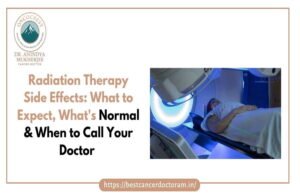
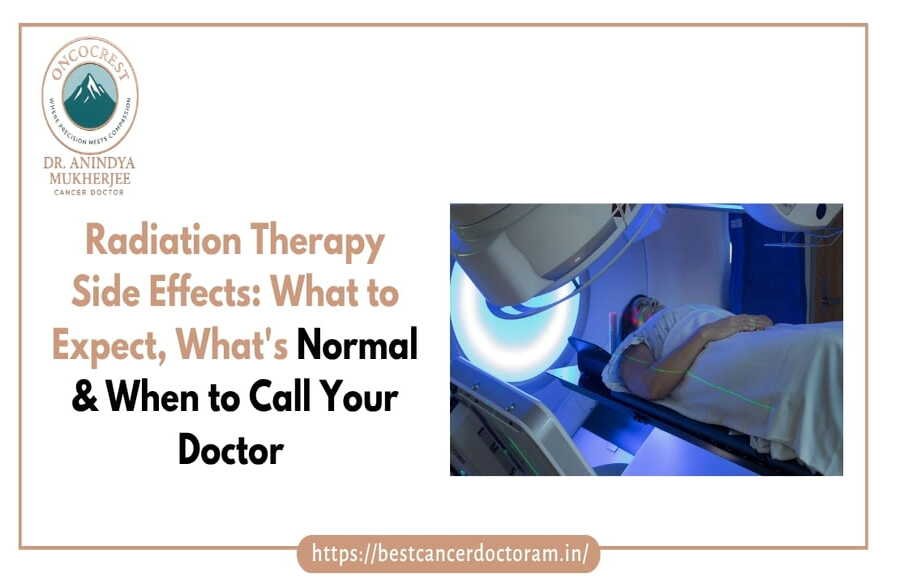
No. The treatment process feels like having an X-ray. You lie still on a table, a machine directs the radiation beams at the treatment area, and the session typically lasts between 10 and 30 minutes. You feel nothing during the actual delivery of radiation.
Is radiotherapy painful in terms of side effects?
This depends on where you are being treated. Some radiation therapy side effects — such as skin soreness, mouth ulcers during head and neck treatment, or swallowing discomfort — can cause pain or discomfort. But these are manageable with medication and the guidance your care team provides.
Is radiation therapy safe?
Yes — when planned and delivered by an experienced oncologist, modern radiotherapy is one of the most precisely targeted cancer treatments available. The equipment, dose calculations, and treatment planning used at specialised centres like ShardaCare HealthCity are designed to maximise cancer cell destruction while minimising exposure to healthy surrounding tissue.
Worried about the side effects of radiation therapy? Get expert guidance and personalized care to manage symptoms safely and effectively.
Common Radiation Therapy Side Effects: What to Expect
Skin Reactions
Skin changes are among the most frequent side effects of radiotherapy for cancer. The skin in the treated area may become red, sore, dry, or itchy — similar to sunburn. In some cases, it may darken, peel, or blister.
This typically begins 1–2 weeks into treatment. To protect your skin during this period:
- Wash gently with mild, unscented soap
- Pat dry — never rub
- Use a recommended moisturiser daily
- Wear loose, soft, natural-fibre clothing over the treated area
- Apply SPF 50+ sunscreen on any exposed skin and continue for at least a year after treatment
Tell Dr. Mukherjee’s team immediately if your skin breaks open or develops a wound — this needs prompt attention to prevent infection.
Skin reactions are one of the most common adverse effects of radiation therapy, but they almost always settle within 2–4 weeks of treatment ending.
Fatigue
Fatigue during radiation treatment for cancer is very real — and very commonly underestimated by patients before they begin.
It is not ordinary tiredness. It is a deep, persistent exhaustion that does not fully resolve with rest. It can start during the first few weeks of treatment and continue for several weeks or even months after radiation therapy side effects begin to clear.
What are the side effects of radiation therapy that affect energy? Fatigue is the most universal one. It happens because your body is investing significant resources in repairing tissue, fighting treatment-related inflammation, and managing the physiological stress of regular treatment sessions.
Practical steps that genuinely help:
- Prioritise sleep and rest without guilt
- Short, gentle walks — even 10–15 minutes — can support energy levels better than complete bed rest
- Ask family members in Knowledge Park, Alpha 1, Gamma, or wherever you live to help with household tasks
- If you are working, speak with your employer about reduced hours during treatment
If fatigue is accompanied by breathlessness, contact your oncologist. This combination can signal anaemia — a drop in red blood cells that sometimes occurs as a complication of radiotherapy and is easily treated.
Hair Loss
Radiation side effects on hair are different from chemotherapy-related hair loss. Radiotherapy only causes hair loss in the specific area being treated — not across your whole body.
If you are receiving radiation to your head or neck, hair loss in that region is likely. It usually begins 2–3 weeks into treatment and regrows a few weeks after treatment ends.
In rare cases involving high doses, hair loss may be permanent. Always ask your oncologist before starting treatment if this is a risk in your specific case.
Hair loss is one of the most emotionally difficult symptoms of radiation treatment for many patients. It is completely valid to find it upsetting. Dr. Mukherjee’s team can connect you with support resources if you need help navigating this aspect of treatment.
Nausea and Appetite Changes
Feeling sick is a recognised radiation therapy side effect — particularly when the treatment area involves the abdomen, pelvis, or brain.
Symptoms of radiation treatment affecting the digestive system can include:
- Nausea during or after sessions
- Reduced appetite
- Changes in taste (food may taste metallic, bland, or different than usual)
- Weight loss, nausea, or appetite loss persists
Anti-nausea medications work well and can be prescribed proactively. Small, frequent meals are easier to manage than three large ones. A clinical dietitian referral may be recommended for patients with significant weight loss during treatment.
Mouth and Swallowing Problems (Head and Neck Radiation)
For patients receiving radiation treatment for cancer of the throat, mouth, tongue, or oesophagus, mucositis — soreness and inflammation of the mouth lining — is one of the primary complications of radiotherapy.
Side effects of radiotherapy for cancer affecting the head and neck region include:
- Mouth ulcers that can become infected
- Dry mouth (which can persist long after treatment)
- Discomfort when eating, drinking, or speaking
- Reduced sense of taste
A medicated mouthwash, pain relief, and dietary adjustments (soft or liquid foods) all help manage this. Most symptoms improve after treatment ends, though dry mouth can occasionally be a longer-term issue.
Bowel Changes
Patients receiving pelvic or abdominal radiation — including treatment for colorectal, cervical, uterine, or prostate cancer — frequently experience diarrhoea as a radiation side effect.
It typically begins within the first few days of treatment and may worsen as the treatment course progresses. Medication manages it effectively in most cases.
Tell your doctor if diarrhoea does not improve within a few weeks of treatment finishing, or if you notice blood in your stool.
Joint and Muscle Stiffness
Stiffness, swelling, and discomfort in joints and muscles within the treated area are documented adverse effects of radiation therapy. Regular gentle stretching and physiotherapy exercises — which Dr. Mukherjee’s team can refer you for — significantly reduce this risk.
Lymphoedema
Radiation can sometimes damage the lymphatic system — the network of vessels that moves fluid through your body. When this system is disrupted, fluid can accumulate, causing swelling and discomfort. This is called lymphoedema.
It most commonly affects the arms or legs and is a recognised long-term complication of radiotherapy, particularly for breast cancer and gynaecological cancers.
The good news: Is radiation therapy safe in terms of lymphoedema risk? Proactive care significantly reduces it. Skin care, specific exercises, and early intervention if swelling appears are all part of a properly managed treatment programme.
Emotional and Psychological Impact
What are the side effects of radiation therapy that no one talks about enough? The emotional ones.
Anxiety, low mood, fear of recurrence, frustration at the treatment schedule, and the stress of managing physical side effects alongside daily life — all of these are real and valid experiences. They are not weaknesses. They are normal human responses to an intensely difficult situation.
Dr. Anindya Mukherjee’s approach to radiation treatment in Greater Noida is built on compassionate, patient-centred care. That includes emotional support — not just clinical management.
Side Effects of Radiation for Breast Cancer: A Specific Note
Side effects of radiation for breast cancer often include skin changes in the breast, chest, and underarm area, fatigue, and — for patients whose lymph nodes are in the treatment field — a risk of lymphoedema in the arm.
Rib discomfort and temporary breast tissue swelling are also possible. Most radiation therapy side effects in breast cancer patients resolve within a few weeks to months of treatment ending.
Disadvantages of Radiation Therapy: Being Honest About the Risks
Patients deserve a balanced picture. The disadvantages of radiation therapy include:
- Temporary but sometimes significant side effects during and after treatment
- The very small, long-term risk of developing a secondary cancer in or near the treated area — this risk is small and must be weighed against the benefit of treating the primary cancer
- Irreversible changes in some tissues at high doses (such as permanent dry mouth in head and neck cases)
- Potential fertility impact when pelvic areas are treated — sperm banking or egg freezing may be discussed before treatment begins.
Being informed about these complications of radiotherapy before treatment allows patients and their families to make confident, clear decisions about their care.
Get treated under expert supervision and learn how to minimize radiation therapy side effects with proper medical guidance.
How Long After Radiotherapy Will I Feel Better?
This is one of the most commonly asked questions in post-treatment consultations.
For most radiation therapy side effects, the timeline looks like this:
- Skin reactions: Settle within 2–4 weeks of treatment ending
- Fatigue: Can persist for 4–12 weeks, sometimes longer, depending on overall health
- Nausea and appetite issues: Usually resolve within 2–4 weeks
- Mouth and swallowing problems: Improve within a few weeks, though dry mouth may linger
- Bowel symptoms: Resolve within a few weeks for most patients
- Hair regrowth: Typically begins 4–6 weeks after treatment ends
After radiation therapy, side effects in more sensitive areas — or when high doses were used — recovery may take longer. Dr. Mukherjee’s team will give you a personalised recovery timeline based on your specific treatment plan.
About Dr. Anindya Mukherjee — Managing Radiation Side Effects with Expertise
Understanding radiation therapy side effects is one thing. Having an expert actively manage them throughout your treatment is another.
Dr. Anindya Mukherjee is a Senior Medical Oncologist at ShardaCare HealthCity, Knowledge Park III, Greater Noida, and one of the most experienced cancer specialists in Greater Noida for managing the full spectrum of radiation-related side effects alongside active cancer treatment.
With over 15 years of oncology experience, training from PGIMER Chandigarh and Rajiv Gandhi Cancer Institute Delhi, and more than 5,000 patients treated, Dr. Mukherjee brings internationally benchmarked cancer care to residents of Greater Noida, Noida Extension, Jewar, Dadri, and the broader NCR region.
His expertise spans radiation-supported treatment for lung, breast, head and neck, GI, and gynaecological cancers — and his patient-first approach means every radiation treatment for cancer is accompanied by proactive side effect monitoring, nutritional support, and compassionate guidance throughout.
As the best cancer doctor in Greater Noida for integrated oncology care, Dr. Mukherjee’s cancer clinic in Greater Noida at ShardaCare is equipped with advanced ICU backup, a full oncology support team, and modern facilities. So you receive expert cancer care close to home.
📍 Room 205, Basement 2, ShardaCare HealthCity, Knowledge Park III, Greater Noida – 201310 📞 +91 9958080211 🕐 Monday – Saturday | 10:00 AM – 5:00 PM
Concerned About Side Effects? Talk to Dr. Mukherjee Today
Whether you are preparing to begin radiation treatment for cancer, currently experiencing radiation side effects, or supporting a family member through treatment, you deserve clear answers from a specialist who knows your case.
Dr. Anindya Mukherjee offers:
- Pre-treatment counselling so you know exactly what to expect
- Active side-effect monitoring during every treatment cycle
- Video consultations for patients across Greater Noida and NCR
- Same-week appointments for urgent concerns
👉 Call or WhatsApp: +91 9958080211
Side effects are manageable. With the right team, you will not face them alone.
FAQs: Radiation Therapy Side Effects
Q1. Is radiotherapy painful for all patients?
Not equally. Pain or discomfort from radiation side effects depends on the treatment site. Head and neck radiation can cause mouth soreness. Pelvic radiation may cause bowel discomfort. Most discomfort is manageable with the right support.
Q2. What are the most common side effects of radiation therapy?
The most common radiation therapy side effects are fatigue, skin changes in the treated area, hair loss at the treatment site, nausea, and appetite changes. These vary based on where in the body radiation is directed.
Q3. What are the disadvantages of radiation therapy?
The main disadvantages of radiation therapy include temporary side effects during and after treatment, a rare risk of secondary cancer in later years, and potential impacts on fertility or nearby organs depending on the treatment site. Your oncologist will discuss all risks before treatment begins.
Q4. Can radiation therapy side effects be prevented?
Many complications of radiotherapy can be minimised with proactive care — skin protection routines, anti-nausea medication, dietary changes, and physiotherapy.
Complete prevention is not always possible, but experienced management significantly reduces their severity.
Q5. What are the side effects of radiation for breast cancer?
Side effects of radiation for breast cancer typically include skin redness and soreness in the chest area, fatigue, and swelling. Lymphoedema in the arm is a risk if lymph nodes are in the treatment field. Most effects resolve within a few weeks to months after treatment ends.